Switching Careers After 30: A Step-by-Step Playbook
Omar Benali
Jan 25, 2026|9 min read
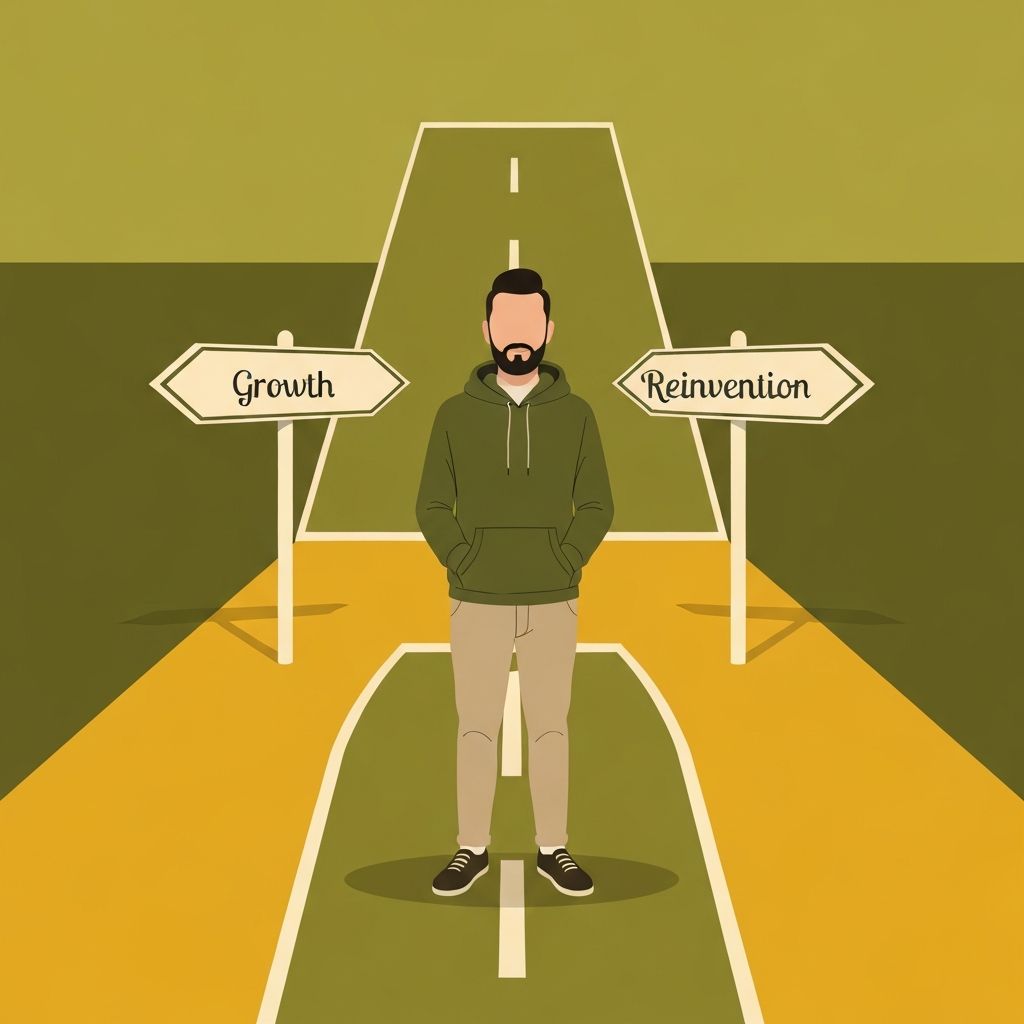
Changing careers after 30 is not starting over — it is starting smarter. Here is how to make the move.
Step 1: Identify transferable skills Every role builds skills that cross industries: communication, project management, data analysis, customer empathy, leadership. List yours. They are more valuable than you think.
Step 2: Close the skill gap strategically You do not need another degree. Targeted bootcamps, online courses (Coursera, edX, LinkedIn Learning), and certifications are faster and cheaper. Focus on the 2-3 skills that your target role requires that you currently lack.
Step 3: Reframe your CV Do not apologize for your background — translate it. A teacher switching to UX: "Designed and delivered curriculum for 30 students, iterating based on engagement data." That is product thinking.
Step 4: Build a portfolio before you apply Nobody will hire you on credentials alone when you have no direct experience. Build something. Write, code, design, consult. Evidence beats claims.
Step 5: Target companies that value diverse backgrounds Startups, scale-ups, and companies building in new markets often prefer generalists who can learn fast over specialists with narrow experience.
Step 6: Use your network differently You are not asking for a job — you are asking for insight. "Can I talk to you for 20 minutes about how you got into this field?" gets more yeses than "Do you know of any openings?"
Step 7: Accept that the first role is a bridge Your first role in the new field may not be your ideal role. Take it. Get the experience. The next move is easier.
The average person will change careers 5-7 times in their lifetime. You are not behind. You are right on time.
Ready to build a CV that gets noticed?
CVFlow helps you create a tailored, ATS-optimized CV in minutes.
Start building for free →